Sikh Heritage & Values
Sarbat da Bhala and the idea of shared prosperity
What does it mean to wish well for everyone — and then make choices that reflect it?
GrowSikh Editorial Team
7 min read
Sarbat da Bhala asks for the welfare of all. It is a generous phrase, but generosity gets tested when the choice is not abstract: who gets the opportunity, who bears the risk, who is invited into the room and who is left to manage the consequences.
A community can celebrate individual success without pretending that success is evenly available. The question is what we do with the room we have made.
Prosperity is more than a number
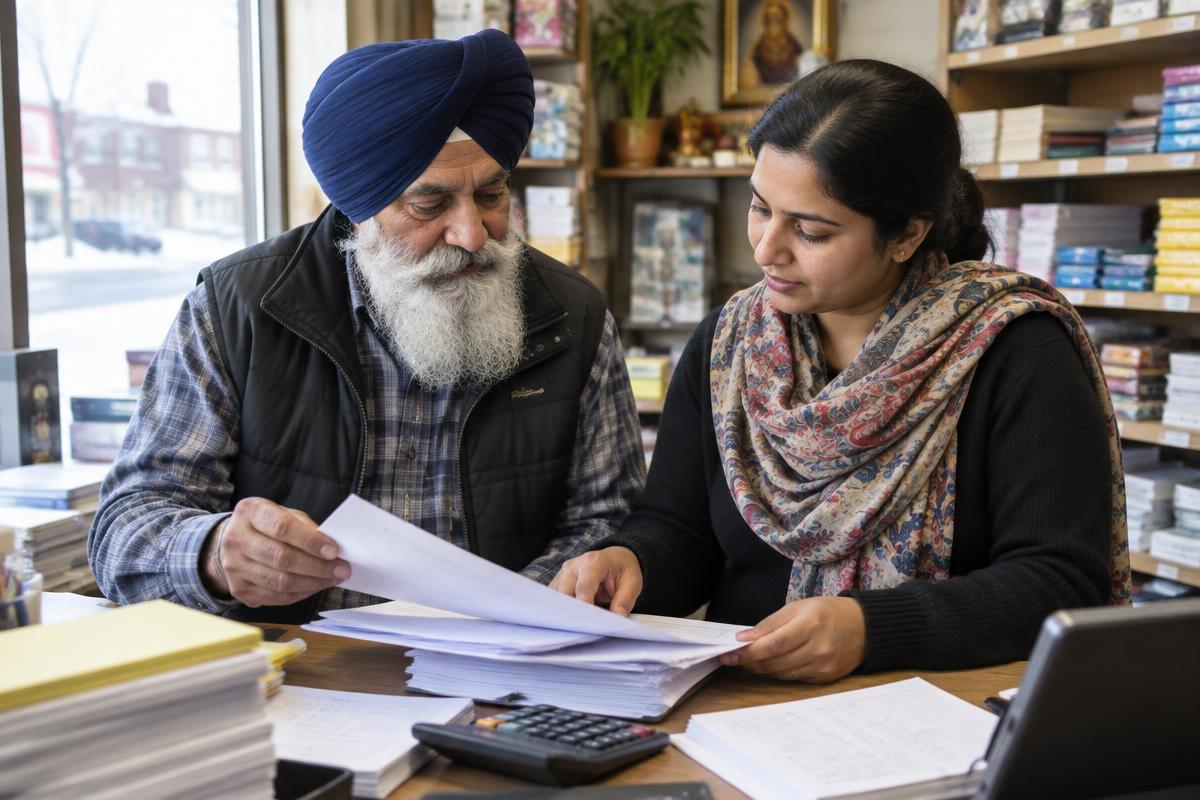
A profitable business can still leave workers stretched thin and neighbours shut out. A well-paid professional can still find time to open a door for someone who lacks introductions. Money matters; so do access, dignity and a fair chance to learn.
That does not mean every person has the same resources to give. It means we can notice whether our decisions make participation easier or harder for others.
A community can take pride in a successful founder and still ask who could not afford to take the same risk. Access to time, capital and an introduction is unevenly distributed. Ignoring that difference turns celebration into a story that leaves too many people out.
The point is not to diminish success. It is to ask how it might create more room for others.
Make the circle wider on purpose
If you organise an event, consider cost, timing, transit and whether a newcomer will know anyone there. If you hire, ask whether the position is described plainly and whether candidates are being judged on work rather than familiarity. If you mentor, notice who is not being asked.
None of these choices will fix inequality by itself. They are concrete ways to stop treating inclusion as an afterthought.
A free event is not necessarily accessible if it requires a car, childcare or time away from paid work. A hiring process may be open in theory but invisible to those outside an existing circle.
Small choices about location, notice, language and whom you ask to speak can change who feels invited. Inclusion is made of these practical details.
Give without turning people into a story
Service is not content. The person receiving help does not owe us a photograph, a public thank-you or a lesson about gratitude. Ask what is needed, protect privacy and leave space for people to keep their own agency.
The most durable community work may be unremarkable from the outside: showing up consistently, sharing credit and making it easier for the next person to take part.
When a person accepts help, they should not have to surrender their privacy in return. Ask before telling their story; better yet, let them decide whether there is a story to tell at all.
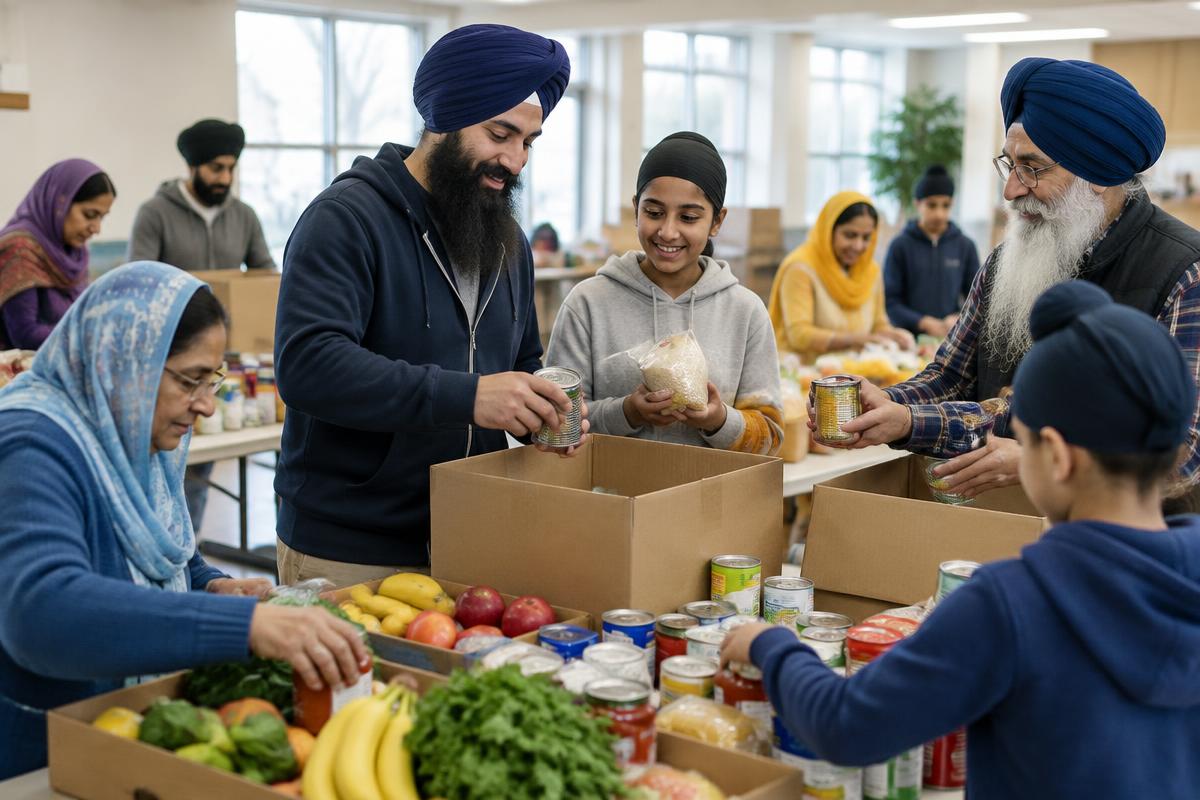
Shared prosperity may be less photogenic than a single act of charity. Often it looks like fair pay, a useful introduction or an invitation offered without expecting credit.
The welfare of everyone is a large wish. Its daily shape is often small: a fairer decision, an open seat, a promise kept.