Community & Impact
What Skill Seva could look like in your city
Giving time isn't always about a grand project. Sometimes it starts with one useful hour.
GrowSikh Editorial Team
7 min read
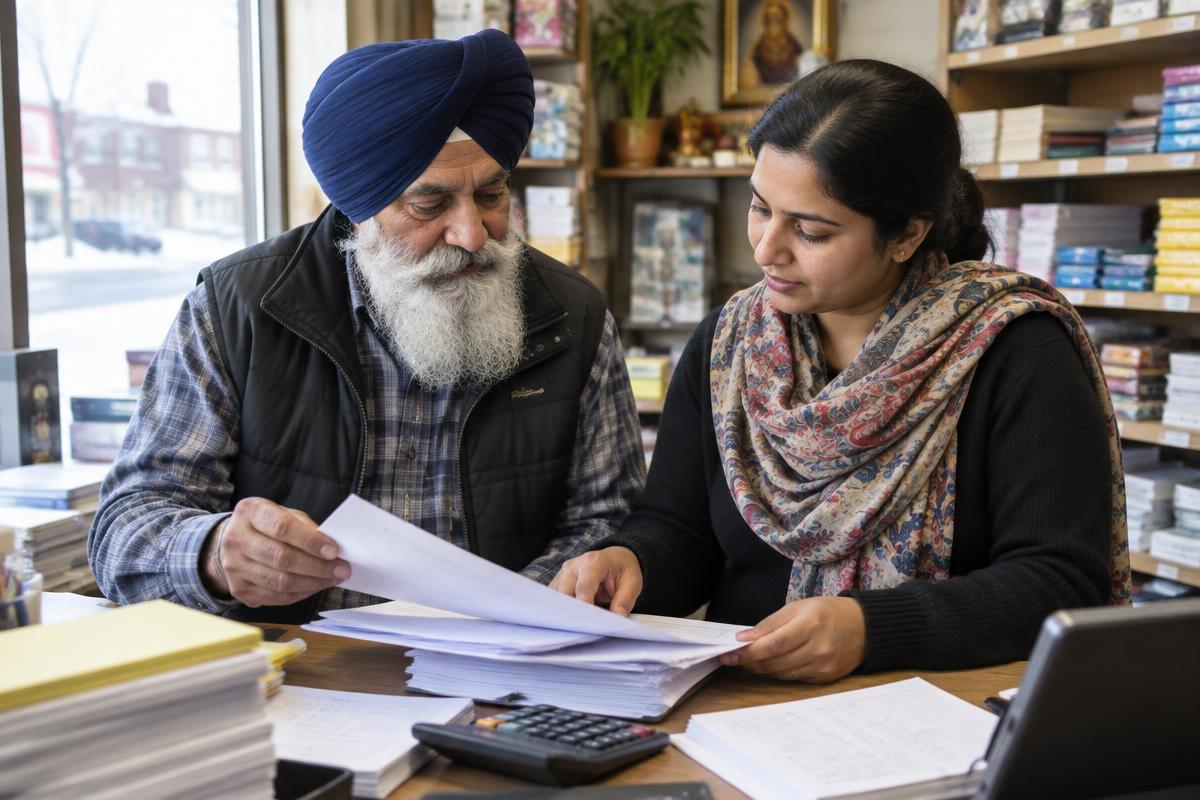
Seva is often pictured as hands-on work: serving a meal, cleaning a space, carrying supplies. But the skills people use at work can serve a neighbour too. An accountant can explain a form. A designer can make a community poster readable. Someone who knows how to interview can help another person practise.
Call it Skill Seva if you like. The important part is not the label. It is whether the help is actually useful to the person receiving it.
Begin with a real need
Before organising a workshop, ask a local group what people have been requesting. A session on resumes may be welcome; it may also miss the urgent problem of finding childcare to attend it. Listening comes before a schedule.
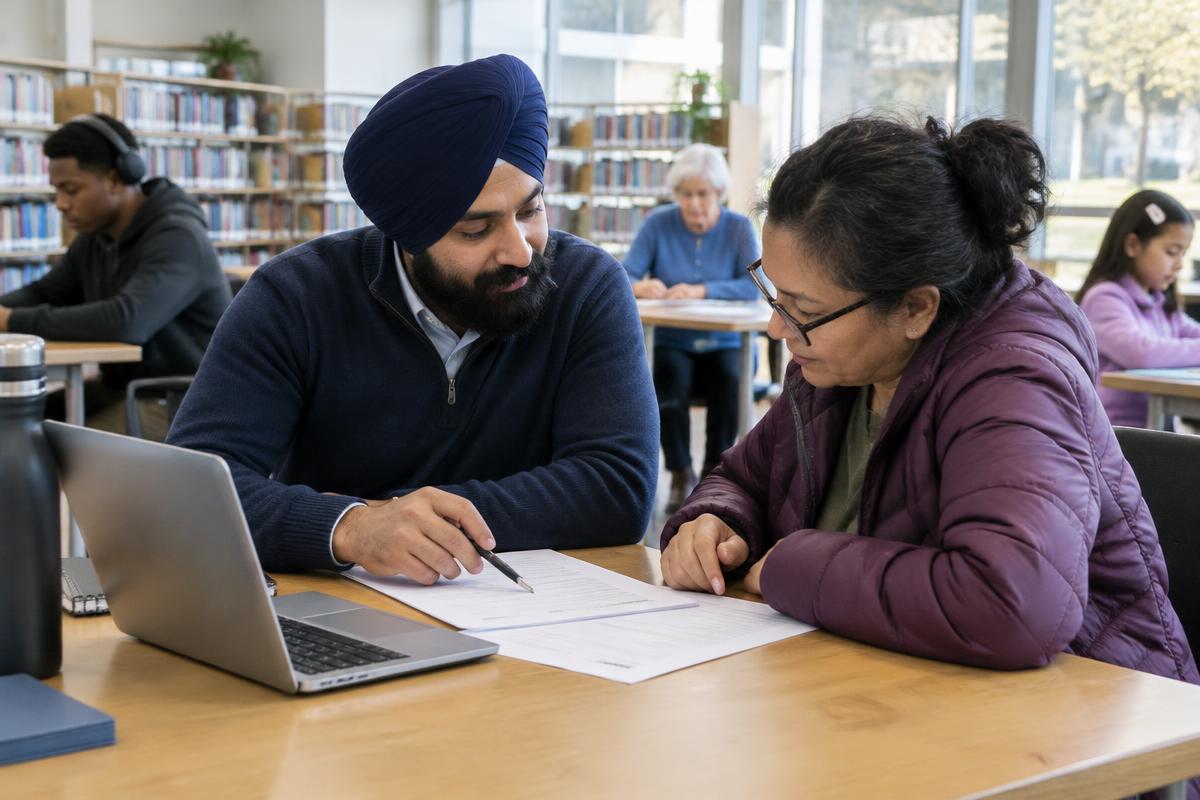
Offer something small and concrete. 'I can review five resumes next Saturday' is easier to act on than 'I am available to help the community.' An hour that happens is more valuable than a grand plan that stays in a group chat.
A library room, a neighbourhood association or an existing volunteer group may already have the trust and access that a new project lacks. Joining their work can be more effective than announcing another initiative.
Ask what language, timing and format would make a session useful. A Saturday seminar is little help to someone working weekends.
Respect the boundary of your skill
Professional experience does not make every volunteer conversation professional advice. An accountant giving general financial literacy should not quietly become someone's tax preparer. A lawyer presenting public information should not be mistaken for their personal counsel. Say what you can and cannot do, and protect people's privacy.
If a task needs a licensed professional, a formal referral, safeguarding or insurance, build that into the plan. Good intentions are not a substitute for care.
If a conversation touches sensitive finances, immigration or health, be explicit about confidentiality and the limits of your role. A volunteer should know when to point someone toward a qualified service, not improvise an answer to a high-stakes problem.
This protects the person asking and the person trying to help. Respect is not measured by how many questions you answer.
Make it easy for someone else to continue
Document what worked, share the materials and invite other people to lead. A useful project should not depend forever on the one person who started it. That is how a neighbourhood effort can become a habit rather than an event.
And remember to ask the people you helped whether it helped. They are the ones who know.
A short note about what people asked can help the next volunteer prepare, but it should not become a collection of private stories. Share patterns, not identifying details.
If the work mattered, someone else should be able to pick it up when you are busy. That is how a generous afternoon becomes a dependable local resource.
A city does not need a new institution to begin. It needs neighbours willing to ask, listen and show up.